
Kidney Transplant Surgeon in Dubai
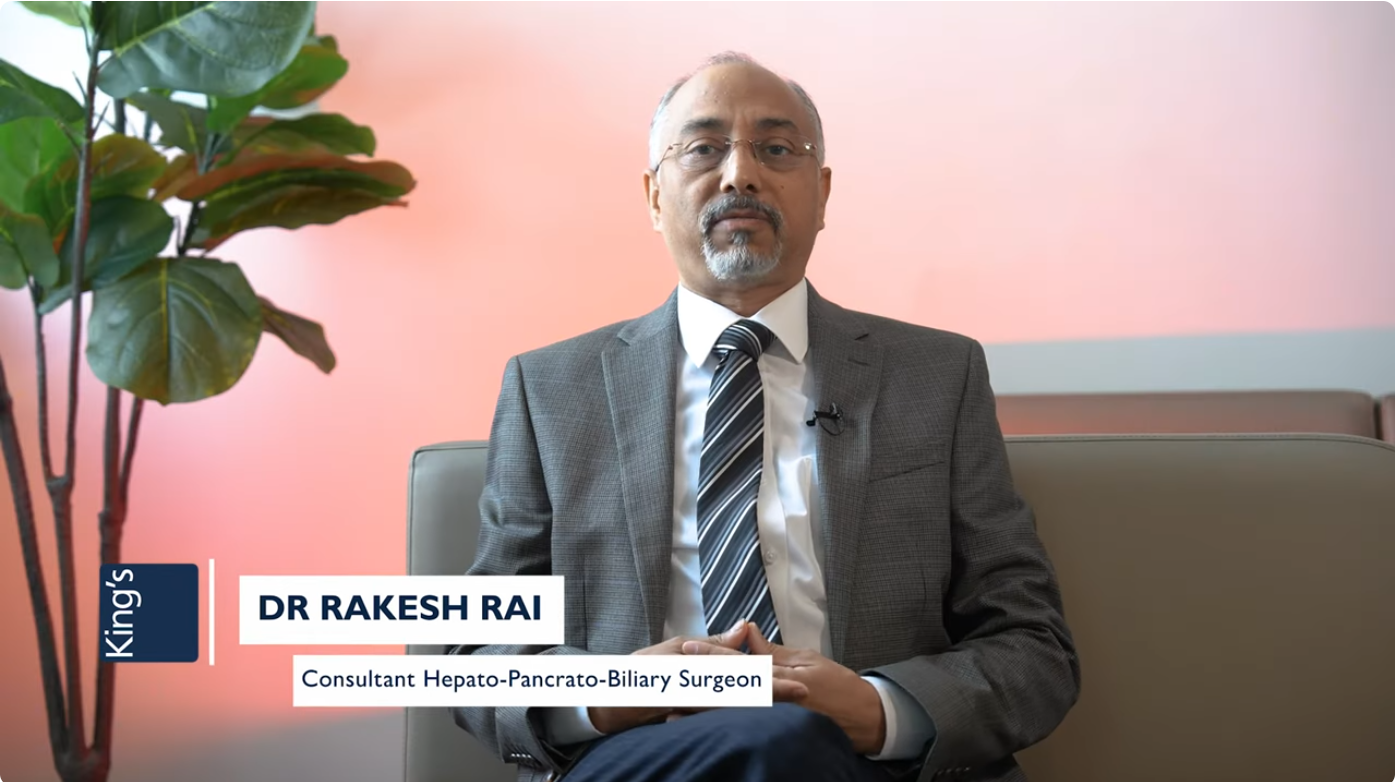
Dr. Rakesh Rai is an experienced kidney transplant surgeon in Dubai, specialising in kidney transplantation and comprehensive surgical care for patients with advanced or end-stage kidney disease. He works as a transplant surgeon at King’s College Hospital London in Dubai and has extensive international training in kidney, liver and pancreas transplantation.
Patients considering a kidney transplant receive a detailed assessment, clear guidance and personalised care throughout every stage—from transplant evaluation and donor assessment to surgery, recovery and long-term follow-up.
What Is a Kidney Transplant?
A kidney transplant is a surgical procedure in which a healthy kidney from a donor is placed into the body of a person whose kidneys have permanently lost most of their function.
The donated kidney takes over essential functions such as:
- Filtering waste products from the blood
- Removing excess fluid from the body
- Maintaining mineral and electrolyte balance
- Supporting blood-pressure regulation
- Helping the body produce red blood cells
A successful kidney transplant may allow suitable patients to reduce or stop dialysis and experience greater independence and an improved quality of life.
Who May Need a Kidney Transplant?
Kidney transplantation may be considered for patients with advanced chronic kidney disease or kidney failure. Conditions that can eventually lead to kidney failure include:
- Diabetes
- Long-term high blood pressure
- Polycystic kidney disease
- Glomerulonephritis
- Congenital kidney conditions
- Autoimmune diseases
- Recurrent kidney infections
- Long-term urinary obstruction
- Certain inherited kidney disorders
Not everyone with kidney disease requires transplantation. A comprehensive medical assessment is necessary to determine whether kidney transplant surgery is appropriate and safe for the patient.
Types of Kidney Transplantation
Living-Donor Kidney Transplant
In a living-donor kidney transplant, a healthy individual donates one kidney to the recipient. The donor may be a family member, spouse, friend or another legally and medically suitable person.
Living-donor transplantation may offer several advantages:
- The surgery can be planned in advance
- The waiting period may be shorter
- Transplantation may sometimes be performed before dialysis becomes necessary
- The donated kidney may begin working sooner
- The kidney may remain functional for longer
The donor undergoes a detailed medical and psychological assessment to ensure that donation is voluntary and medically appropriate.
Deceased-Donor Kidney Transplant
A deceased-donor transplant uses a kidney donated by a person after death. The recipient is placed on an approved transplant waiting list and matched with a suitable donor according to blood group, tissue compatibility, medical urgency and applicable regulations.
Kidney Transplant Evaluation
Before surgery, both the recipient and potential donor undergo a comprehensive evaluation. Tests may include:
- Blood-group testing
- Tissue typing
- Antibody screening
- Crossmatch testing
- Kidney and liver function tests
- Heart and lung assessment
- Infection screening
- Diagnostic imaging
- Cancer screening, when appropriate
- General medical and psychological evaluation
These tests help determine whether the patient is fit for transplant surgery and whether the donor kidney is compatible.
What Happens During Kidney Transplant Surgery?
Kidney transplant surgery is performed under general anaesthesia. The donated kidney is usually placed in the lower abdomen. Its artery and vein are connected to the recipient’s blood vessels, and the ureter is connected to the bladder.
The patient’s original kidneys are generally left in place unless they are causing infection, persistent pain, uncontrolled blood pressure or another medical complication.
Some transplanted kidneys begin functioning immediately, while others may take several days to start working effectively.
Recovery After Kidney Transplantation
After surgery, the transplant team closely monitors:
- Kidney function
- Urine production
- Blood pressure
- Fluid and electrolyte levels
- Surgical wound healing
- Medication levels
- Signs of infection or rejection
The duration of hospitalisation and recovery varies according to the patient’s overall health, donor type and response to surgery.
Regular follow-up appointments and blood tests are particularly important during the first few weeks and months after transplantation.
Preventing Kidney Rejection
The immune system may recognise the transplanted kidney as foreign and attempt to attack it. This is known as transplant rejection.
Patients must take immunosuppressive or anti-rejection medicines exactly as prescribed. These medicines are normally required for as long as the transplanted kidney continues to function.
Missing doses or changing medication without medical advice can increase the risk of rejection and transplant failure.
Possible Risks of Kidney Transplant Surgery
As with any major operation, kidney transplantation carries certain risks, including:
- Bleeding
- Infection
- Blood clots
- Urine leakage
- Delayed kidney function
- Rejection of the transplanted kidney
- Side effects from anti-rejection medicines
- Recurrence of the original kidney disease
- Failure of the transplanted kidney
The individual benefits and risks are discussed carefully during the transplant consultation.
Life After a Kidney Transplant
Long-term care is essential for protecting the transplanted kidney. Patients are advised to:
- Take medicines at the prescribed times
- Attend all follow-up appointments
- Complete regular blood and urine tests
- Maintain a healthy weight
- Follow personalised dietary advice
- Control blood pressure, diabetes and cholesterol
- Exercise according to medical guidance
- Avoid smoking
- Protect themselves against infection
- Consult the transplant team before taking new medicines or supplements
With appropriate medical care and regular monitoring, many kidney transplant recipients can return to active and fulfilling lives.
Why Consult Dr. Rakesh Rai?
Dr. Rakesh Rai is a highly experienced HPB and transplant surgeon with specialist expertise in kidney, liver and pancreas transplantation.
His training and experience include:
- General surgical training at King Edward Memorial Hospital, Mumbai
- Advanced surgical training in the United Kingdom
- Specialist experience in vascular, HPB and transplant surgery
- Experience at leading UK institutions, including the Royal Free Hospital, Freeman Hospital and Queen Elizabeth Hospital Birmingham
- Intercollegiate FRCS qualification
- Certificate of Completion of Training
- Registration on the GMC Specialist Register
Dr. Rai currently provides specialised kidney transplant surgical care at King’s College Hospital London in Dubai.
Book a Kidney Transplant Consultation in Dubai
If you have advanced kidney disease, are undergoing dialysis or are considering living-donor kidney transplantation, an early specialist consultation can help you understand your available treatment options.
Book an appointment with Dr. Rakesh Rai, kidney transplant surgeon in Dubai, for a comprehensive assessment and personalised guidance regarding kidney transplant surgery.